Getting the Most From Your Sitagliptin Prescription: 5 Daily Habits That Support Better Blood Sugar Control
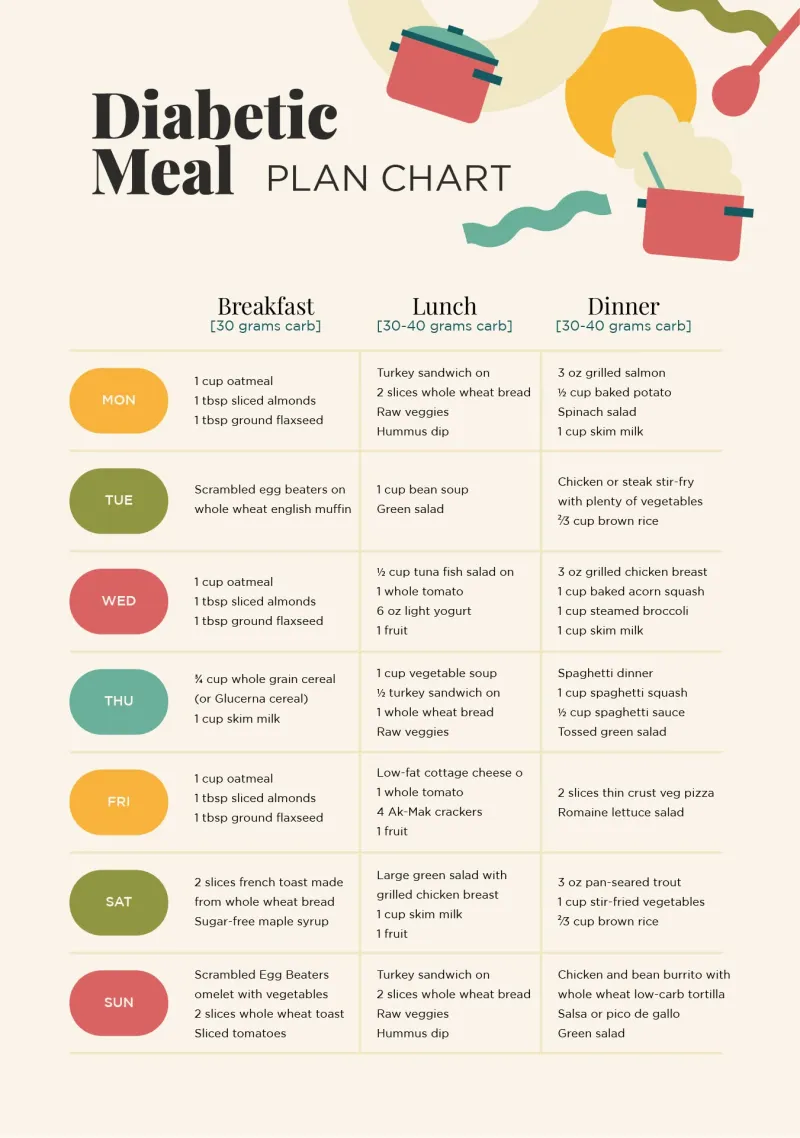
Photo: healthy lifestyle diabetes management exercise meal planning daily routine, via i.pinimg.com
Receiving a type 2 diabetes diagnosis—and walking out of a doctor's office with a new prescription—can feel overwhelming. For many Americans, Sitagliptin (Januvia) is among the first medications prescribed after metformin, and while it is an effective tool for managing blood glucose, it works best when supported by thoughtful daily habits.
This guide is designed for patients who want to understand the full picture of diabetes management: not just the pharmacology, but the practical, everyday choices that create the conditions for medication to perform at its best.
1. Time Your Meals Strategically to Complement Sitagliptin's Mechanism
Sitagliptin is typically taken once daily and can be taken with or without food—a flexibility that many patients appreciate. However, understanding when and what you eat can meaningfully influence your post-meal blood sugar levels, which is precisely where Sitagliptin does much of its work.
As a DPP-4 inhibitor, Sitagliptin enhances the activity of incretin hormones that are naturally released in response to food. This means its glucose-lowering effects are most active in the hours following a meal. Eating large, high-carbohydrate meals—particularly those heavy in refined grains, sugary beverages, or processed snacks—can overwhelm this mechanism, producing glucose spikes that are difficult for the medication to fully address.
Practical strategies to consider:
- Distribute carbohydrate intake evenly across meals rather than concentrating carbs in one sitting.
- Prioritize complex carbohydrates (legumes, whole grains, non-starchy vegetables) over simple sugars.
- Avoid skipping meals, which can create erratic glucose patterns that make blood sugar management less predictable.
- If you take Sitagliptin in the morning, pairing it with a balanced breakfast sets a stable metabolic tone for the day.
Conversations with a registered dietitian—many of whom specialize in diabetes nutrition—can help you develop a meal plan that works in concert with your medication rather than against it.
2. Prioritize Sleep as a Non-Negotiable Component of Glucose Regulation
Sleep is rarely the first thing discussed in a diabetes management appointment, but the research connecting sleep quality to blood sugar control is substantial. Chronic sleep deprivation—defined in many studies as fewer than six hours per night—is associated with increased insulin resistance, elevated fasting glucose, and higher levels of cortisol, a stress hormone that directly raises blood sugar.
For patients relying on Sitagliptin to maintain glycemic stability, poor sleep can undercut the medication's effectiveness by creating a hormonal environment that works against glucose control. A 2020 review published in Diabetes Care found that sleep-disordered breathing, including obstructive sleep apnea (which disproportionately affects people with type 2 diabetes), was independently associated with worse glycemic outcomes.
Actionable steps for better sleep hygiene:
- Aim for seven to nine hours of sleep per night, consistent with recommendations from the American Academy of Sleep Medicine.
- Maintain a regular sleep schedule, including on weekends.
- Limit screen exposure in the hour before bed, as blue light suppresses melatonin production.
- If you suspect you have sleep apnea—particularly if you snore loudly or feel unrefreshed after sleeping—speak with your doctor about a sleep study. Treating sleep apnea has been shown to improve HbA1c in some patients.
3. Incorporate Physical Activity That Enhances Insulin Sensitivity
Exercise is one of the most powerful non-pharmacological tools available for managing type 2 diabetes, and its benefits are additive when combined with medications like Sitagliptin. Physical activity improves insulin sensitivity—meaning your body's cells respond more effectively to insulin—which reduces the glucose burden that Sitagliptin must help manage.
Both aerobic exercise and resistance training offer distinct but complementary benefits. Aerobic activity (brisk walking, cycling, swimming) is particularly effective at lowering blood glucose in the hours following exercise. Resistance training (weightlifting, bodyweight exercises, resistance bands) builds muscle mass, which increases the body's capacity to store and utilize glucose over the long term.
Getting started without feeling overwhelmed:
- The American Diabetes Association recommends at least 150 minutes of moderate-intensity aerobic activity per week, spread across at least three days.
- Even short bouts of movement—a 10-minute walk after dinner—have been shown to blunt post-meal glucose spikes.
- Resistance training two to three times per week provides metabolic benefits that aerobic exercise alone cannot fully replicate.
- Always check with your healthcare provider before starting a new exercise program, particularly if you have cardiovascular concerns or take other medications.
4. Manage Chronic Stress to Prevent Cortisol-Driven Blood Sugar Spikes
Stress is an underappreciated driver of blood sugar dysregulation. When the body perceives a stressor—whether physical or psychological—it releases cortisol and adrenaline, hormones that trigger the liver to release stored glucose into the bloodstream. For people without diabetes, the body compensates efficiently. For those with type 2 diabetes, this stress response can produce significant glucose elevations that are difficult to manage through medication alone.
Sitagliptin operates through a glucose-dependent mechanism, meaning it responds to elevated blood sugar by enhancing insulin secretion. However, stress-induced glucose spikes can be frequent and unpredictable, creating a pattern of instability that makes consistent control harder to achieve.
Evidence-supported stress reduction strategies:
- Mindfulness-based stress reduction (MBSR): A growing body of research supports MBSR programs in improving glycemic outcomes in patients with type 2 diabetes.
- Diaphragmatic breathing: Even five minutes of slow, deep breathing activates the parasympathetic nervous system and can reduce cortisol levels acutely.
- Social connection: Strong social support networks are consistently associated with better self-management behaviors and improved health outcomes in people with chronic disease.
- Therapy and counseling: Diabetes distress—a recognized psychological condition distinct from depression—affects a significant portion of Americans with diabetes. Cognitive behavioral therapy has demonstrated effectiveness in addressing it.
5. Stay Consistently Hydrated to Support Kidney Function and Glucose Excretion
Adequate hydration is a simple but often overlooked component of diabetes management. The kidneys play a central role in filtering excess glucose from the blood, and dehydration impairs this process. When fluid intake is insufficient, blood becomes more concentrated, which can lead to higher blood glucose readings—a phenomenon particularly relevant for patients monitoring their levels at home.
Additionally, Sitagliptin is processed and eliminated by the kidneys. While dose adjustments are made for patients with significant renal impairment, maintaining good kidney health through proper hydration is a reasonable supporting practice for anyone on the medication.
Hydration guidance for patients with diabetes:
- The general recommendation of eight 8-ounce glasses of water daily is a reasonable starting point, though individual needs vary based on body size, activity level, and climate.
- Avoid sugar-sweetened beverages entirely—sodas, sports drinks, and fruit juices can cause rapid glucose spikes that counteract your medication's efforts.
- Caffeinated beverages like coffee and tea can contribute to fluid intake but should be consumed in moderation, as caffeine may influence insulin sensitivity in some individuals.
- If you are physically active or live in a warm climate (particularly relevant for patients in the South and Southwest), your hydration needs will be higher than average.
Putting It All Together
Medication is a cornerstone of type 2 diabetes management, but it is not the entire structure. Sitagliptin works best when it operates within a lifestyle framework that supports stable blood sugar, healthy metabolic function, and overall well-being. The five habits outlined above—strategic meal timing, quality sleep, regular physical activity, stress management, and consistent hydration—are not extraordinary demands. They are practical, evidence-grounded behaviors that reinforce what your medication is already working to accomplish.
If you are newly diagnosed or recently started Sitagliptin, consider sharing this framework with your primary care provider or diabetes care team. Together, you can identify which areas offer the greatest opportunity for improvement and build a plan that treats your diabetes as a whole-person challenge, not simply a prescription to fill.
This content is intended for general educational purposes and is provided by Sitagliptin Info. It does not substitute for individualized medical advice. Please consult your healthcare provider before making changes to your diet, exercise routine, or medication regimen.