Drinking With Diabetes: How Alcohol Affects Sitagliptin and Your Blood Sugar
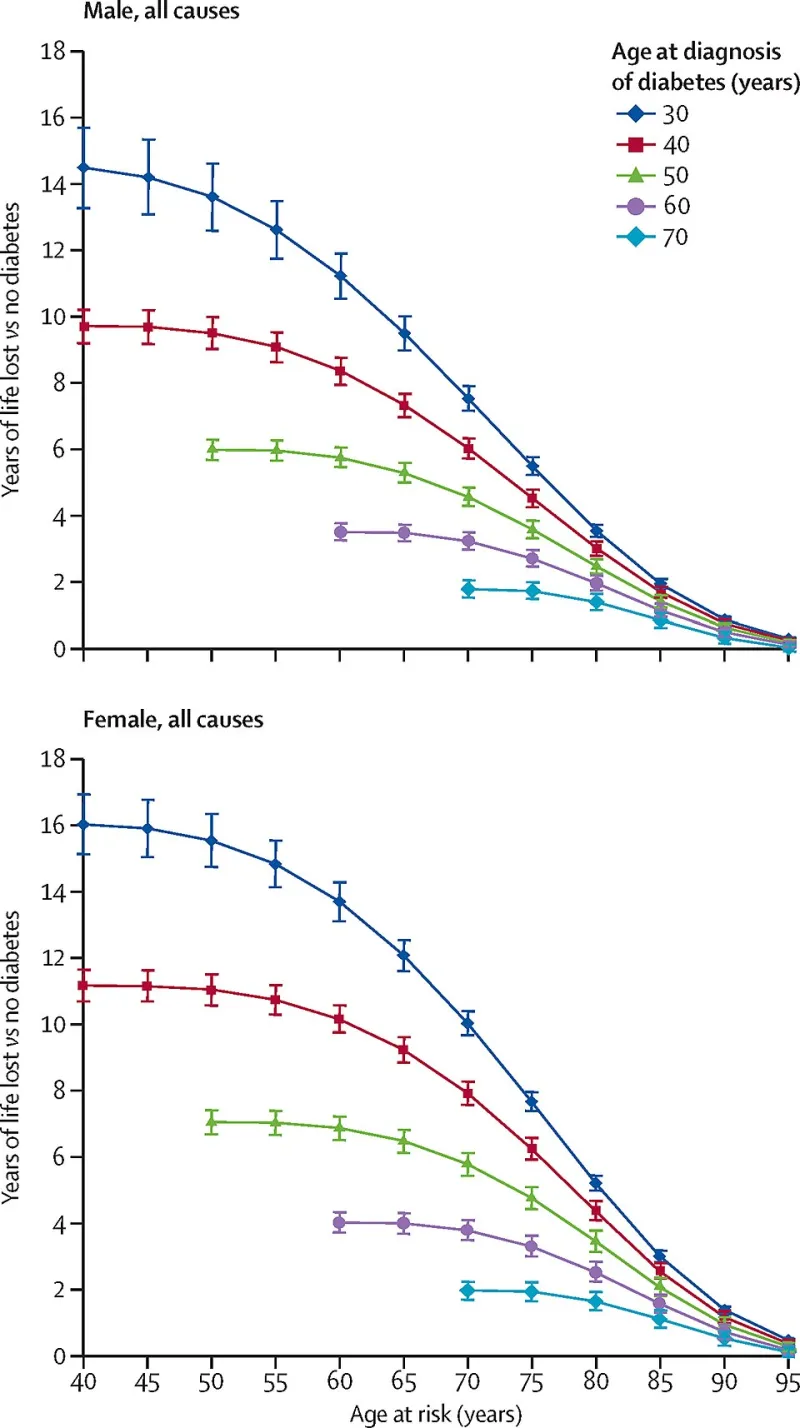
Photo: Authors of the study: Emerging Risk Factors Collaboration (listed at the study), CC BY 4.0, via Wikimedia Commons
For many Americans managing type 2 diabetes, social situations involving alcohol can feel like navigating a minefield. A glass of wine at a family dinner, a beer at a work event, or a cocktail during the holidays — these moments come up regularly, yet the guidance patients receive on alcohol consumption while taking diabetes medications is often rushed or incomplete. If you are prescribed Sitagliptin (brand name Januvia), there are specific physiological considerations worth understanding before you reach for that next drink.
How Sitagliptin Works — and Why Alcohol Complicates the Picture
Sitagliptin belongs to a class of medications known as DPP-4 inhibitors. It works by blocking the enzyme dipeptidyl peptidase-4, which in turn allows incretin hormones — particularly GLP-1 and GIP — to remain active longer in the bloodstream. These hormones stimulate insulin release in response to meals and suppress glucagon, the hormone responsible for signaling the liver to release stored glucose. The result is a more balanced blood sugar response after eating.
Alcohol introduces a competing set of signals into this system. The liver, which is central to both alcohol metabolism and glucose regulation, can only handle one task at a time. When you consume alcohol, your liver prioritizes breaking down ethanol over performing its normal glucose-releasing functions. This can cause blood sugar levels to drop unpredictably — a risk that compounds if you are also taking other diabetes medications alongside Sitagliptin, such as sulfonylureas or insulin.
Does Sitagliptin Itself Cause Hypoglycemia?
One reassuring aspect of Sitagliptin's pharmacological profile is that, when used as monotherapy, it carries a relatively low risk of hypoglycemia (dangerously low blood sugar). Because it works in a glucose-dependent manner — meaning it only stimulates insulin when blood sugar is already elevated — the risk of a severe low is meaningfully reduced compared to older drug classes.
However, this does not mean alcohol is consequence-free. When alcohol is consumed, particularly on an empty stomach or in large quantities, it can suppress hepatic glucose output independent of Sitagliptin's mechanism. Patients who combine alcohol with Sitagliptin plus a sulfonylurea or insulin face a compounded hypoglycemia risk that should not be underestimated. Always confirm your full medication list with your physician before making assumptions about your personal risk level.
The Liver Factor: A Concern That Deserves More Attention
Sitagliptin is primarily eliminated through the kidneys rather than the liver, which is one reason it is generally considered safe for patients with mild to moderate hepatic concerns. That said, chronic or heavy alcohol use can impair liver function over time, and a compromised liver affects the broader metabolic environment in which Sitagliptin operates. Elevated liver enzymes, fatty liver disease, and alcoholic hepatitis can all interfere with glucose regulation in ways that make diabetes management significantly more difficult.
For patients who drink regularly — even in amounts that might seem moderate by social standards — it is worth discussing liver health with your provider as part of your diabetes management plan. Annual liver function panels are often recommended for patients managing long-term conditions, and alcohol consumption is one variable your physician will want to factor into that picture.
What Happens to Blood Sugar When You Drink?
The blood sugar effects of alcohol are not linear, and this surprises many patients. Initially, some alcoholic beverages — particularly those mixed with sugary sodas, juices, or syrups — can cause a spike in blood glucose due to their carbohydrate content. Hours later, however, as the liver continues processing alcohol and glucose output is suppressed, blood sugar may fall. This delayed drop can occur several hours after drinking, including during sleep, which makes it particularly difficult to detect or respond to.
Beer and sweet wines tend to raise blood sugar initially. Dry wines and spirits without mixers have a more neutral immediate effect on glucose but still carry the delayed hypoglycemia risk described above. Understanding these patterns allows patients to make more strategic choices about what they drink, when they drink, and what they eat alongside alcohol.
Practical Recommendations for Social Drinkers on Sitagliptin
The following evidence-informed strategies can help reduce risk without requiring complete abstinence for those who choose to drink occasionally:
- Eat before or while drinking. Food slows alcohol absorption and helps stabilize blood sugar. Never drink on an empty stomach.
- Limit quantity. Current general guidance for people with diabetes typically aligns with broader public health recommendations: no more than one standard drink per day for women and two for men. Consult your physician for personalized guidance.
- Choose lower-sugar options. Dry wines, light beers, and spirits mixed with water or diet beverages minimize carbohydrate-driven glucose spikes.
- Monitor your blood sugar. If you use a continuous glucose monitor (CGM) or a home glucometer, check your levels before, during, and several hours after drinking — including before bed.
- Wear medical identification. Symptoms of hypoglycemia can closely resemble intoxication. A medical ID bracelet ensures that emergency responders are aware of your diabetes if you are unable to communicate.
- Avoid drinking alone. Having someone nearby who understands your condition adds an important layer of safety.
Why This Conversation Gets Skipped at the Doctor's Office
Physicians managing patients with type 2 diabetes face significant time pressure during routine appointments. Medication reviews, A1C discussions, and complication screenings often crowd out lifestyle conversations. Alcohol, which carries social stigma and can feel like a sensitive subject, is frequently left undiscussed — even when it is clinically relevant.
Patients should feel empowered to raise the topic directly. Phrasing such as "I occasionally drink socially — is there anything I should be aware of given my current medications?" opens the conversation without requiring your provider to initiate it. Transparency about your habits allows your care team to give you guidance that is actually tailored to your life, rather than generic instructions that may not reflect your real circumstances.
The Bottom Line
Sitagliptin's glucose-dependent mechanism means it is less likely than some other diabetes medications to cause severe hypoglycemia from alcohol alone. However, alcohol's effects on the liver, blood sugar, and overall metabolic function create real risks that should not be ignored — especially for patients on combination therapy. Informed, moderate consumption with appropriate precautions is achievable for many patients, but the conversation with your healthcare provider is a necessary first step. At Sitagliptin Info, we believe that well-informed patients make better decisions, and that begins with asking the questions that matter.