Sitagliptin as Part of the Bigger Picture: Integrating Medication With Exercise, Nutrition, Sleep, and Stress Management

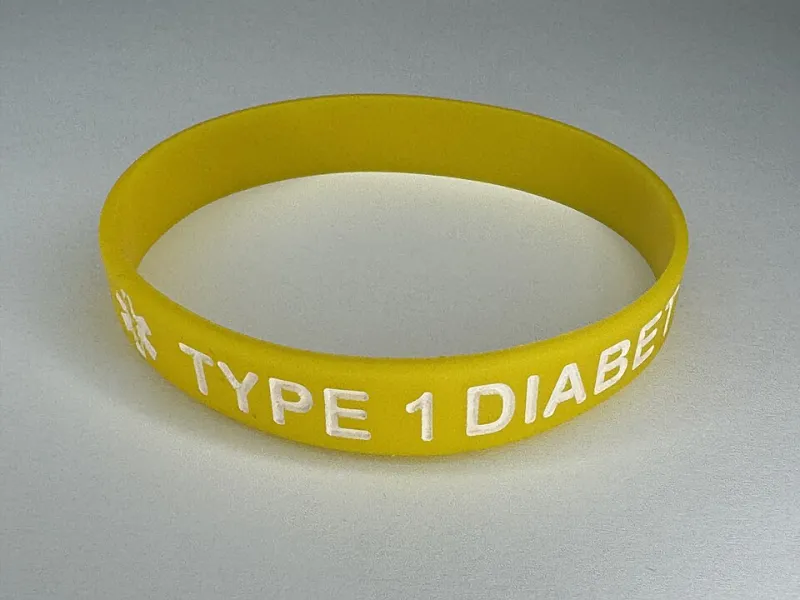
Photo: CDC, Public domain, via Wikimedia Commons
The Medication Is the Foundation, Not the Entire Structure
When a physician prescribes Sitagliptin for type 2 diabetes, the conversation rarely ends with the prescription pad. Most clinicians are quick to emphasize that pharmacological therapy works best when it is embedded within a broader lifestyle strategy. Yet in practice, many patients come to view their daily pill as the primary—sometimes only—active element of their diabetes management. That perspective, while understandable, leaves significant clinical benefit on the table.
Sitagliptin functions by inhibiting the DPP-4 enzyme, which in turn prolongs the activity of incretin hormones GLP-1 and GIP. These hormones stimulate insulin release in response to food and suppress glucagon secretion, collectively moderating blood sugar rises after meals. The mechanism is elegant and well-tolerated, but it operates within a biological environment shaped by everything else the patient does—how they move, eat, sleep, and manage psychological stress.
Thinking of Sitagliptin as one essential component of a larger wellness architecture, rather than a self-contained treatment, changes how patients engage with every other dimension of their health.
Physical Activity: A Direct Ally of Sitagliptin's Mechanism
Exercise and DPP-4 inhibition share overlapping pathways in glucose regulation. Skeletal muscle contraction improves insulin sensitivity independently of insulin secretion—meaning that regular physical activity addresses a different facet of type 2 diabetes pathophysiology than Sitagliptin does. Together, they produce complementary effects.
Aerobic exercise—brisk walking, cycling, swimming, or any sustained cardiovascular activity—increases glucose uptake by muscle cells through insulin-independent mechanisms. This effect persists for hours after a workout, which can meaningfully reduce postprandial glucose levels during the period when Sitagliptin's incretin-enhancing action is also most active. For patients who exercise after meals, the combined impact on blood sugar can be notable.
Resistance training contributes differently but equally importantly. Building and maintaining muscle mass increases the body's baseline glucose disposal capacity, which supports long-term glycemic control. The American Diabetes Association recommends that adults with type 2 diabetes engage in at least 150 minutes of moderate-intensity aerobic activity per week, combined with two or more sessions of resistance training.
For Sitagliptin users specifically, the low hypoglycemia risk associated with DPP-4 inhibitor monotherapy makes exercise planning somewhat less complicated than it would be for patients on insulin or sulfonylureas. However, individuals on combination regimens should discuss exercise-related glucose monitoring protocols with their healthcare provider.
Dietary Patterns That Complement Sitagliptin's Postprandial Action
Because Sitagliptin's primary mechanism is triggered by food intake—specifically, by the incretin response to eating—the composition and timing of meals are directly relevant to how well the drug performs.
Diets that produce lower and more gradual postprandial glucose excursions give Sitagliptin's mechanism the best opportunity to be effective. Research consistently supports dietary patterns rich in fiber, non-starchy vegetables, lean proteins, and healthy fats—such as the Mediterranean dietary pattern or a lower-glycemic whole-foods approach—as beneficial for people with type 2 diabetes. These patterns moderate the speed and magnitude of postprandial glucose rises, which aligns favorably with Sitagliptin's incretin-enhancing action.
Conversely, meals that are very high in refined carbohydrates and added sugars can generate rapid, large glucose spikes that may exceed what any single oral medication can adequately blunt. This is not a failure of Sitagliptin per se; it is a reflection of the physiological limits of pharmacotherapy when dietary inputs are highly variable.
Portioning meals consistently, eating at regular intervals, and minimizing ultra-processed food consumption are practical strategies that reinforce the medication's effects. Working with a registered dietitian nutritionist (RDN) who has experience in diabetes management can help patients develop a sustainable eating plan tailored to their preferences, cultural background, and metabolic goals.
Sleep Quality: The Underappreciated Variable in Glycemic Control
Sleep is rarely the first topic that arises in a diabetes management conversation, yet the evidence connecting sleep quality to glycemic outcomes is substantial. Insufficient or fragmented sleep elevates cortisol and other stress hormones, increases insulin resistance, and disrupts the hormonal signals that regulate appetite—all of which can undermine the effects of Sitagliptin and other diabetes medications.
Studies have demonstrated that even short-term sleep restriction can measurably impair glucose tolerance in otherwise healthy adults. For individuals already managing type 2 diabetes, chronic poor sleep can make blood sugar targets significantly harder to achieve.
Obstructive sleep apnea (OSA) is particularly prevalent among adults with type 2 diabetes and obesity, and it is frequently underdiagnosed. OSA causes repeated overnight oxygen desaturations that trigger stress hormone surges, contributing to elevated fasting glucose. Patients who report loud snoring, daytime fatigue, or morning headaches to their provider should be evaluated for sleep disorders—treating OSA has been shown to improve glycemic control independent of medication changes.
Prioritizing seven to nine hours of quality sleep per night, maintaining a consistent sleep schedule, and addressing sleep disorders when present are lifestyle investments that directly support the effectiveness of Sitagliptin therapy.
Stress Management and Mental Health: The Mind-Body Connection in Diabetes
Psychological stress exerts measurable physiological effects on blood sugar. Cortisol and adrenaline—released during acute and chronic stress—promote hepatic glucose production and reduce peripheral insulin sensitivity. For someone managing type 2 diabetes, sustained psychological stress can produce persistent glucose elevations that are difficult to attribute to diet or medication timing alone.
Diabetes distress—a term describing the emotional burden specific to living with a chronic metabolic condition—is reported by a significant proportion of people with type 2 diabetes in the United States. Feelings of frustration, guilt around food choices, anxiety about complications, and fatigue from constant self-monitoring are common and legitimate. Left unaddressed, diabetes distress can erode medication adherence, reduce motivation for physical activity, and worsen dietary habits, creating a cycle that undermines clinical outcomes.
Mind-body practices such as mindfulness-based stress reduction, cognitive behavioral therapy (CBT), and structured relaxation techniques have demonstrated modest but meaningful benefits for glycemic control in clinical research. These approaches do not replace pharmacotherapy, but they address a dimension of diabetes management that medication cannot reach.
Patients experiencing significant emotional burden related to their diagnosis are encouraged to raise this with their primary care provider or diabetes care team. Referrals to mental health professionals with diabetes-specific experience are increasingly available through integrated care models across the US.
Bringing It All Together: A Collaborative, Patient-Centered Approach
Sitagliptin is a well-characterized, clinically effective medication with a favorable safety profile. For many patients with type 2 diabetes, it plays an important and sometimes central role in achieving glycemic targets. But the patients who achieve the most durable, meaningful improvements in their health tend to be those who engage with their condition across multiple dimensions simultaneously.
Physical activity enhances insulin sensitivity. Dietary quality shapes the postprandial environment in which Sitagliptin operates. Sleep restores the hormonal balance that underpins glucose regulation. Stress management reduces the cortisol-driven interference that can sabotage even well-designed pharmacological regimens. Together, these elements do not merely supplement the medication—they amplify it.
Discussing this integrated perspective with your diabetes care team—whether that includes a physician, pharmacist, RDN, diabetes care and education specialist (DCES), or mental health professional—is the most productive path forward. Sitagliptin works. It works even better when the rest of the picture supports it.