Does It Matter When You Take Sitagliptin? The Truth About Meal Timing and Medication Flexibility
Anyone who has been prescribed a diabetes medication has likely encountered a set of instructions that feels more like a scheduling puzzle than a simple treatment plan. Take this one with food. Take that one thirty minutes before your first meal. Avoid eating for two hours after this dose. For people already navigating the demands of blood sugar monitoring, dietary adjustments, and regular medical appointments, the added complexity of rigid medication timing can feel overwhelming.
Sitagliptin — sold under the brand name Januvia and available in combination formulations — stands apart from many of its counterparts in one practically significant way: it does not require coordination with meals. But what does that actually mean for your daily routine, and does the timing of your dose relative to food have any bearing on how well the medication works? The answers are worth understanding in detail.
How Sitagliptin Works — and Why Food Timing Is Less Relevant
To appreciate why sitagliptin is so flexible, it helps to understand its mechanism of action. Sitagliptin belongs to a class of medications called DPP-4 inhibitors. It works by blocking the enzyme dipeptidyl peptidase-4, which is responsible for breaking down incretin hormones — specifically GLP-1 and GIP — shortly after they are released. By inhibiting this enzyme, sitagliptin allows these hormones to remain active longer, which in turn stimulates insulin secretion and suppresses glucagon release in a glucose-dependent manner.
The phrase "glucose-dependent" is important here. Sitagliptin's effect is tied to the presence of elevated blood glucose. When blood sugar rises — typically after eating — the drug's mechanism becomes most active. When glucose is low or within normal range, the stimulation of insulin is minimal, which is why sitagliptin carries a low inherent risk of hypoglycemia when used as monotherapy.
Because the drug operates through a physiological feedback loop rather than a fixed, time-dependent release of insulin, it does not need to be on board precisely at the moment food is consumed. This is a fundamental pharmacological distinction from medications like sulfonylureas or rapid-acting insulin, where timing relative to meals is clinically significant.
What the Prescribing Information Actually Says
The FDA-approved prescribing information for sitagliptin states that it may be taken with or without food. This is not a minor footnote — it reflects the drug's absorption profile. Clinical pharmacokinetic studies have shown that a high-fat meal does not meaningfully alter sitagliptin's area under the curve (AUC) or peak plasma concentration (Cmax) in ways that would affect therapeutic outcomes. In plain terms, whether you take your pill on an empty stomach, with a light breakfast, or alongside a full dinner, the medication reaches effective levels in your bloodstream in a comparable timeframe.
The standard prescribed dose is 100 mg once daily, and that single daily dose provides sustained DPP-4 inhibition throughout a 24-hour period. This means patients are not dependent on precise timing to achieve coverage across all three meals of the day.
Comparing Sitagliptin to Medications That Do Require Meal Coordination
The contrast with other diabetes drug classes is instructive — and underscores just how meaningful sitagliptin's flexibility can be for real-world adherence.
Metformin: One of the most commonly prescribed diabetes medications in the United States, metformin is typically taken with meals — not for pharmacokinetic reasons, but to reduce gastrointestinal side effects such as nausea and diarrhea. Extended-release formulations are generally taken with the evening meal. While metformin's efficacy is not dramatically altered by food, the tolerability concern creates a practical dependency on mealtime dosing.
Sulfonylureas (e.g., glipizide, glyburide): These medications stimulate insulin secretion regardless of blood glucose levels. Taking a sulfonylurea without eating — or eating later than planned — can result in hypoglycemia. Patients on these drugs are advised to take them with or shortly before meals to match insulin release with carbohydrate absorption.
GLP-1 receptor agonists (e.g., semaglutide, liraglutide): Injectable GLP-1 agonists have their own timing considerations depending on the formulation. Oral semaglutide (Rybelsus), for instance, must be taken on an empty stomach with no more than four ounces of plain water, at least 30 minutes before the first food, drink, or other medications of the day. This protocol is required for adequate absorption and represents a significant daily commitment.
SGLT2 inhibitors (e.g., empagliflozin, dapagliflozin): These are generally taken in the morning, with or without food, making them similarly flexible to sitagliptin. However, they carry their own risk considerations that may influence when during the day they are best administered.
Against this backdrop, sitagliptin's absence of meal-timing requirements is a genuine quality-of-life advantage, particularly for patients with irregular schedules, shift workers, frequent travelers, or those who simply struggle with rigid daily routines.
Building a Consistent Habit: Practical Strategies for Daily Dosing
While sitagliptin does not demand meal coordination, consistency in daily dosing time is still encouraged. Taking the medication at approximately the same time each day helps maintain stable plasma concentrations and supports adherence — one of the strongest predictors of long-term glycemic success.
Here are several practical approaches that work well for patients managing sitagliptin in the context of everyday American life:
Anchor it to an existing habit. Many patients find it helpful to associate their medication with a daily ritual that already occurs at a consistent time — brewing morning coffee, brushing teeth, or preparing lunch. This behavioral pairing reduces the cognitive load of remembering a separate task.
Use your phone's reminder function. A simple daily alarm labeled with your medication name takes less than a minute to set up and eliminates the most common reason for missed doses: forgetting. Several pharmacy apps also offer refill tracking and dose reminders.
Keep your medication visible. A pill organizer on the kitchen counter or nightstand serves as a passive visual cue. Out-of-sight medications are frequently out-of-mind medications.
If you miss a dose, take it as soon as you remember — unless it is close to the time of your next scheduled dose. In that case, skip the missed dose and resume your regular schedule. Do not double up. Because sitagliptin's mechanism is glucose-dependent, a single missed dose is unlikely to cause dramatic blood sugar swings, though consistent omissions will reduce overall glycemic control.
When Meal Content Matters More Than Meal Timing
It is worth distinguishing between the timing of sitagliptin and the composition of the meals you eat. While the drug does not need to be taken at a specific point relative to food, the glycemic impact of what you eat remains highly relevant to your blood sugar outcomes.
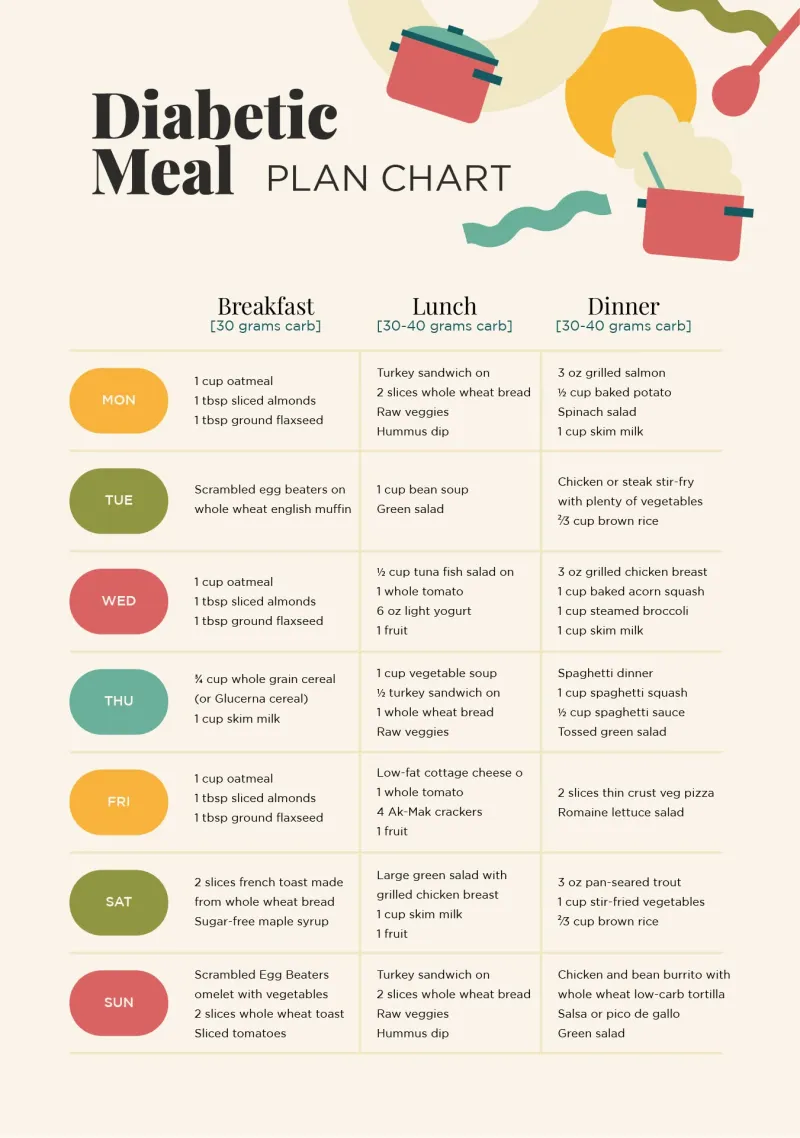
Sitagliptin enhances the body's natural post-meal insulin response, but it cannot fully compensate for meals that are very high in rapidly digestible carbohydrates. A diet that supports stable blood glucose — emphasizing fiber, lean proteins, non-starchy vegetables, and moderate portions of complex carbohydrates — works in concert with sitagliptin's mechanism to produce better glycemic outcomes than medication alone.
In this sense, meal content and dietary consistency are far more clinically consequential than meal timing relative to your dose.
The Bottom Line for Patients
Sitagliptin's flexibility around food and timing is not incidental — it is a pharmacological feature that translates into real-world convenience and improved adherence potential. For patients who have felt constrained by the rigid meal protocols associated with other diabetes medications, sitagliptin offers a genuinely different experience. The most important scheduling principle is simply this: take it at roughly the same time each day, eat in a way that supports stable blood sugar, and communicate openly with your healthcare provider about how the medication is fitting into your life.